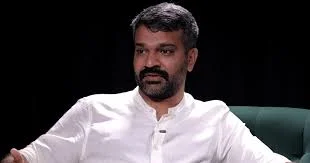
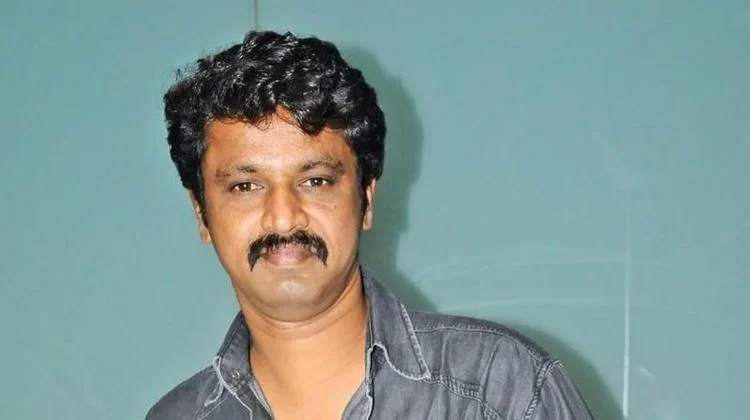
Mani Ratnam
Personal Details
Biography
Mani Ratnam is a legendary Indian filmmaker who works predominantly in Tamil cinema, widely regarded as one of the greatest directors in Indian film history. Born on 2 June 1956 in Madurai, Tamil Nadu, he studied management before turning to films. He revolutionised Tamil cinema with acclaimed works such as Nayakan, Roja, Bombay, Iruvar, Dil Se and the epic two-part Ponniyin Selvan. Known for his lyrical visual style, strong storytelling and long collaboration with composer A. R. Rahman, he has won multiple National Film Awards and the Padma Shri. With a career spanning four decades, Mani Ratnam remains a towering figure in Indian cinema.
Mani Ratnam — Basic Details
Few directors have shaped Indian cinema like director Mani Ratnam, the visionary whose films blend emotion, politics, and melody into unforgettable storytelling. Born Gopala Ratnam Subramaniam on June 2, 1956 in Madurai, Tamil Nadu, Mani Ratnam's fascination with films emerged during his MBA at JBIMS, Mumbai Though he began as a management consultant, an unfinished Kannada film project in 1980 pushed him toward directing. His debut, Pallavi Anu Pallavi (1983), set the stage for a career that would redefine romance, rivalry, and revolution on-screen. This biography uncovers Mani Ratnam’s early life, breakthrough maniratnam movies, family ties, mani ratnam net worth, and lasting legacy.
Mani Ratnam — Physical Stats and More
Mani Ratnam Biography
Growing up in Madurai, Mani Ratnam excelled at academics. After earning an MBA, he briefly pursued consulting before his passion for cinema took over. His first venture, Pallavi Anu Pallavi (1983), introduced an unconventional narrative style The Times of India+15Reddit+15Wikipedia+15WikipediaThe Times of India+13Wikipedia+13The Times of India+13. He went on to create landmark maniratnam films like Nayakan (1987) with Kamal Haasan, cementing his status as a cinematic trailblazer. His body of work spans intense dramas, political romances, and historical epics—each reflecting his ability to fuse personal and political themes with visual poetry.
Mani Ratnam — Relationships & More
Early Tamil Classics
Pallavi Anu Pallavi (1983) – Directorial debut
Nayakan (1987) – A crime saga starring Kamal Haasan; won multiple National Awards and became India’s Oscar entry
Socio-political Dramas
Roja (1992) & Bombay (1995) – Part of his acclaimed “terrorism trilogy,” these films tackled national identity amid political turmoil
Dil Se.. (1998) – Explored love and insurgency; featured globally celebrated "Chaiyya Chaiyya" soundtrack
Continued Success & Recent Works
Iruvar, Geethanjali, Anjali, Guru—maniratnam movies list filled with artistic and thematic depth
Ponniyin Selvan: I (2022) – A grand historical epic that marked his return to large-scale storytelling
Upcoming: Thug Life (2025) reunites him with Kamal Haasan after 36 years, following the classic Nayakan.
Mani Ratnam — Other Details
Mani Ratnam — Contributions Beyond Work
Mani Ratnam’s influence exceeds cinema. His films champion social issues—from terrorism to communal harmony. His production house, Madras Talkies, is a launchpad for new talent and visionary content. He’s also served on national film juries and fosters cross-cultural cinema, all contributing to a more inclusive industry.
The Legacy of Mani Ratnam
With a transformative mani ratnam filmography, a net worth of ~₹130 Crore, and indelible influence over Indian cinema, director Mani Ratnam stands as a master of narrative, music, and mood. From groundbreaking Tamil films to national epics, his legacy continues to inspire filmmakers and audiences alike. Which Mani Ratnam movie is your all‑time favorite—Nayakan, Roja, or Ponniyin Selvan? Share your thoughts below!
Mani Ratnam — Other Facts
- Received India’s Padma Shri in 2002
- Crafted a signature alliance with A.R. Rahman and Santosh Sivan, defining the sound and visual style of modern Indian cinema
- Known for unmatched discipline on set—Kamal Haasan recalls Ratnam arriving at 5:30 a.m.!
Known For

Awards & Recognition
FAQs
Related Directors